Beerball Rules 2024
The game of beer and ball.
- Setup and First Throw
- Throwing the Ball
- Drinking Rules
- Catching the Ball
- Interference
- Winning the Game
- Scoring and Progression
- Can Placement
- Player Equipment
- Fouls and Penalties
- Referee and Disputes
- Cheating
- Booking System
- Behaviour
- Prizes
1. Setup and First Throw
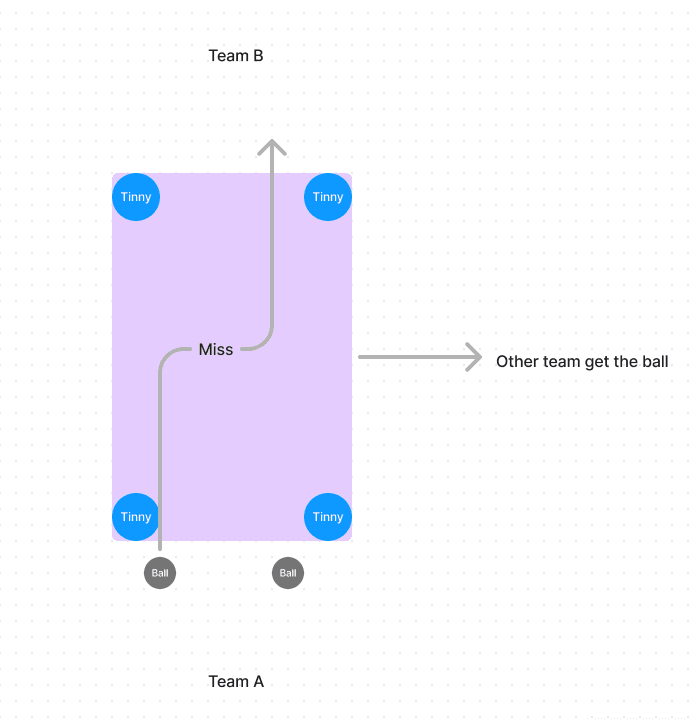
- Two teams play against each other. Each team has a can placed on their side of a table.
- The game begins with a coin toss to decide which team throws first.
2. Throwing the Ball
- Players take turns throwing a ball at the opposing team's cans from behind their side of the table.
- Your elbow must stay behind the edge of the table during throws.
3. Drinking Rules
- You may only start drinking if your throw hits an opponent's can (this is considered a successful throw).
- Drinking stops immediately when the opposing team retrieves the ball, places it on the table, and calls out “stop.”
4. Catching the Ball
- If an opponent catches the ball after you've hit their can, you cannot drink. Instead, the catcher has the opportunity to drink.
- The catcher can also run until tagged by someone from the opposing team. If tagged, the drinking stops.
- A catch counts if it pings off the tinny and is caught before it hits the floor or table. If the ball hits a teammate before it is caught, it still counts as a catch.
- Don't run outside the park.
5. Interference
- You are not allowed to block an opponent from retrieving the ball.
- However, if your teammate catches the ball, you are allowed to block opponents to prevent them from tagging the catcher. No physical wrestling or tackling is allowed.
6. Winning the Game
- The first team to finish drinking both of their cans wins.
- When you finish a can, you must hold it above your head to show it is empty.
- If a can is not empty, it is returned to play, and the referee will decide when you can attempt to finish drinking it again.
7. Scoring and Progression
- Players earn points based on the order they finish their drinks, scoring 3, 2, 1, or 0 points.
- These points, known as the drink point average, are used for seeding in tournaments and for other matchup decisions.
8. Can Placement
- Cans must be placed within a thumb's length from both edges of the table.
- If only one can remains for a team, it should be moved to the centre of the table, still within a thumb's length of the edge.
- Cans must start upside down and unopened.
9. Player Equipment
- Each player must use a regulation sized tinny of at least 440ml.
10. Fouls and Penalties
- Actions like tackling, illegal blocking, or drinking at incorrect times will result in penalties.
- Penalties can include free drinks for the opposing team or, in severe cases, carding by the referee.
- Spillage is lickage.
11. Referee and Disputes
- The referee's decision is final. Each team can challenge one referee decision per game by performing a traditional dance, known as “judge time.”
- Successful challenges can overturn a bad call.
12. Cheating
- Cheating is not allowed and includes false accusations. If caught, penalties depend on the severity and frequency of cheating, ranging from extra drinks for the opposing team to a booking.
- Cheating not caught during gameplay goes unpunished.
13. Booking System
- Players receive an official warning before a yellow card is issued.
- Two yellow cards equal a red card, leading to disqualification. However, the team can continue with a replacement player.
- Judge times can contest bookings.
14. Behaviour
- It's in a public park so no behaviour!
- No wrestling without consent, and do it far away from the group.
- Chun in a bucket or go to our house to chun in the toilet (not the sink).
- Don't be too loud, Don't be a dick. Be mindful of the park users around us.
15. Prizes
- Winners receive the Community Shield, engraved with their team name and date, which they keep until the next tournament.
- Gold trophies are awarded to both players of the winning team.
- Second and third place teams receive medals.
- Special awards include a golden tinny for the best player and a brown tinny for the player with the lowest score.